

By Grischa Wenzeler
Certified Translators

The process of becoming a certified translator in the UK differs significantly from the one in Germany. No wonder then that the concept of sworn translations differs as well.
Comparing the Situations in Germany and the UK
In civil law countries such as Germany, i.e. countries with a comprehensive set of written laws, certified translators are officially appointed. In Germany, they are appointed by the justice administration of the respective federal state (Landesjustizverwaltung). In the UK as a common law country, where the law is derived from judicial decisions rather than from statutes or constitutions, the concept of sworn translations does not exist in the same way. In the UK, almost anyone can attest the accuracy of a translation. However, most official bodies only accept self-attestations by translators who are members of an association of professional translators such as the Institute of Translation and Interpreting (ITI) or the Chartered Institute of Linguists (CIOL). Both are non-governmental organisations and integrate qualifications within their membership to ensure their members’ quality of work and integrity.
ITI translators need to have at least three years of professional experience and must pass a translation assessment to become full members. CIOL members need to have passed the CIOL’s Diploma in Translation, an exam consisting of translating a general text and two semi-specialised texts from a source language into the target language (usually the translator’s native language). To go one step further and become a Chartered Linguist accredited by the CIOL, one must demonstrate competence as a practising linguist through a combination of qualifications. Both the ITI and the CIOL allow their members to self-certify their translations based on a code of conduct and by issuing a declaration of accuracy with a standard wording approved by them. However, there is no regulation of sworn translations on a national level.
❝Who can produce sworn translations in Germany is highly regulated.
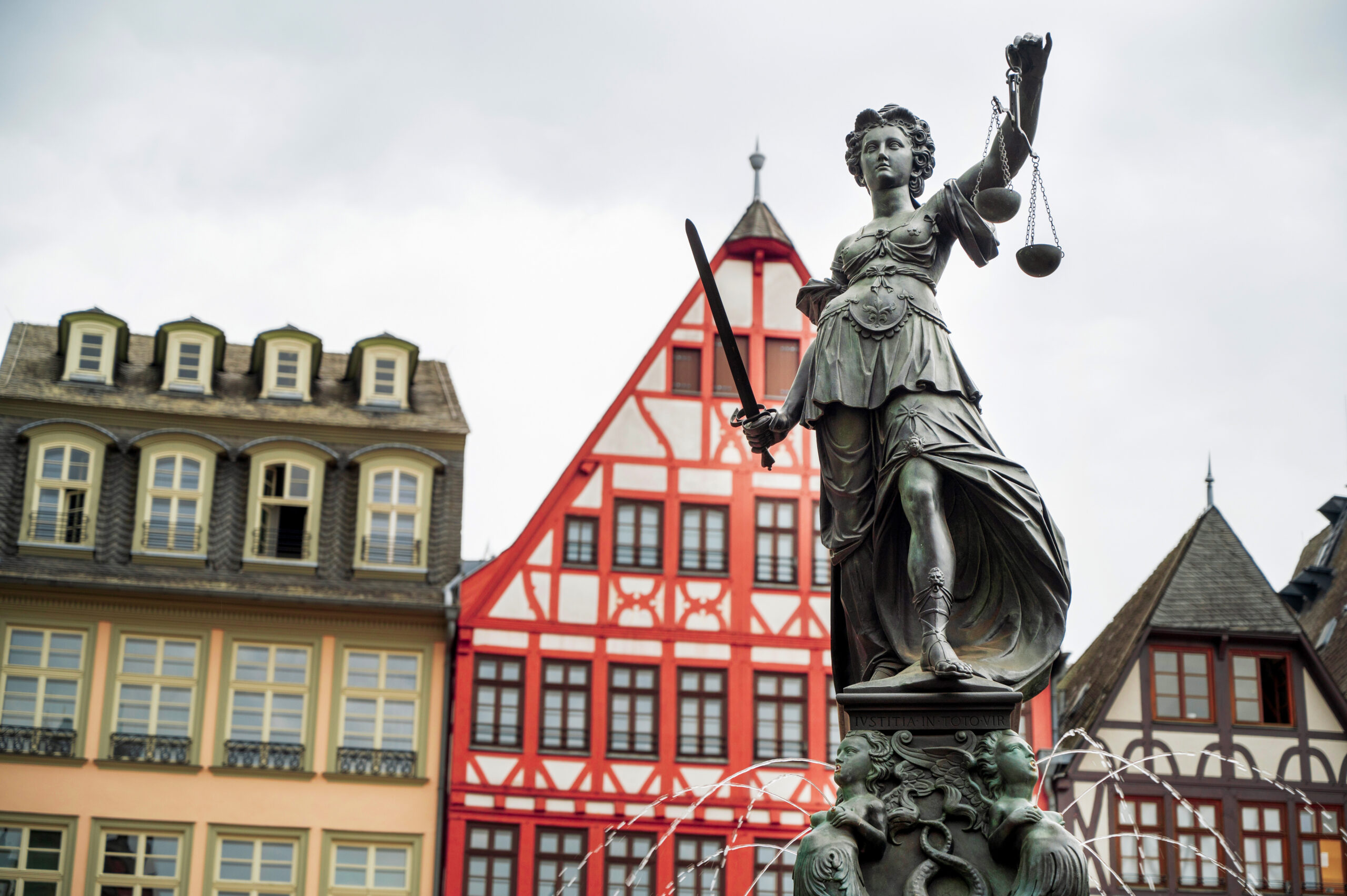
Certified translators in Germany are appointed based on relevant state laws as well as the federal German Court Interpreters Act of 2023 (Gerichtsdolmetschergesetz). The exact German title “certified translator“ may differ between states (Bundesländer), e.g. “vereidigter Übersetzer“, “ermächtigter Übersetzer“, “öffentlich bestellter Übersetzer“, etc. They are officially appointed and sworn in by a regional court (Landgericht or Oberlandesgericht). Only translators who have been publicly appointed and sworn in can produce legally valid sworn translations. The official stamp and signature of a court-sworn translator make the translation a legally binding document, accepted by German public bodies.
Based on which criteria can a translator be sworn in? Most importantly, based on their professional qualifications and experience, typically through a university degree or a state exam. There are currently 17 university programmes in translation studies in Germany, e.g. in Heidelberg, Leipzig, Mainz, and Jena to name but a few, often combined with interpreting (Dolmetschen). In terms of state exams, there are eight state examination offices, seven of which conduct examinations. One (in Halle, Saxony-Anhalt) carries out recognition procedures for degrees other than a state exam. Colleagues who started the translation profession as a second career may find it awkward to return to university and a state exam may prove to be an attractive alternative for them. Those who struggle with their decision whether or not to boost their career by becoming a certified translator in Germany may want to consult Marta Pagans, an experienced translator who offers helpful career advice (https://www.marta-pagans.com/mentoring-beratung-uebersetzer). One disadvantage of opting for a state exam rather than a university degree is that the examination offices do not run any preparation courses. Finding a specialised private tutor may be a good alternative. I can recommend Ilona Riesen, previously an examiner herself, who offers a comprehensive modular exam preparation programme (https://ilori-translations.com).
Hopefully, I have been able to explain in this short article the key points of what sworn translations and who certified translators are. Professional translators in the UK can be found in the database of the ITI and the CIOL. In Germany, clients looking for certified translators can use the database of the Bundesverband der Übersetzer und Dolmetscher (BDÜ) as well as the database of the Landesjustizverwaltungen (www.justiz-dolmetscher.de), both listing sworn translators and interpreters.


0 Comments